
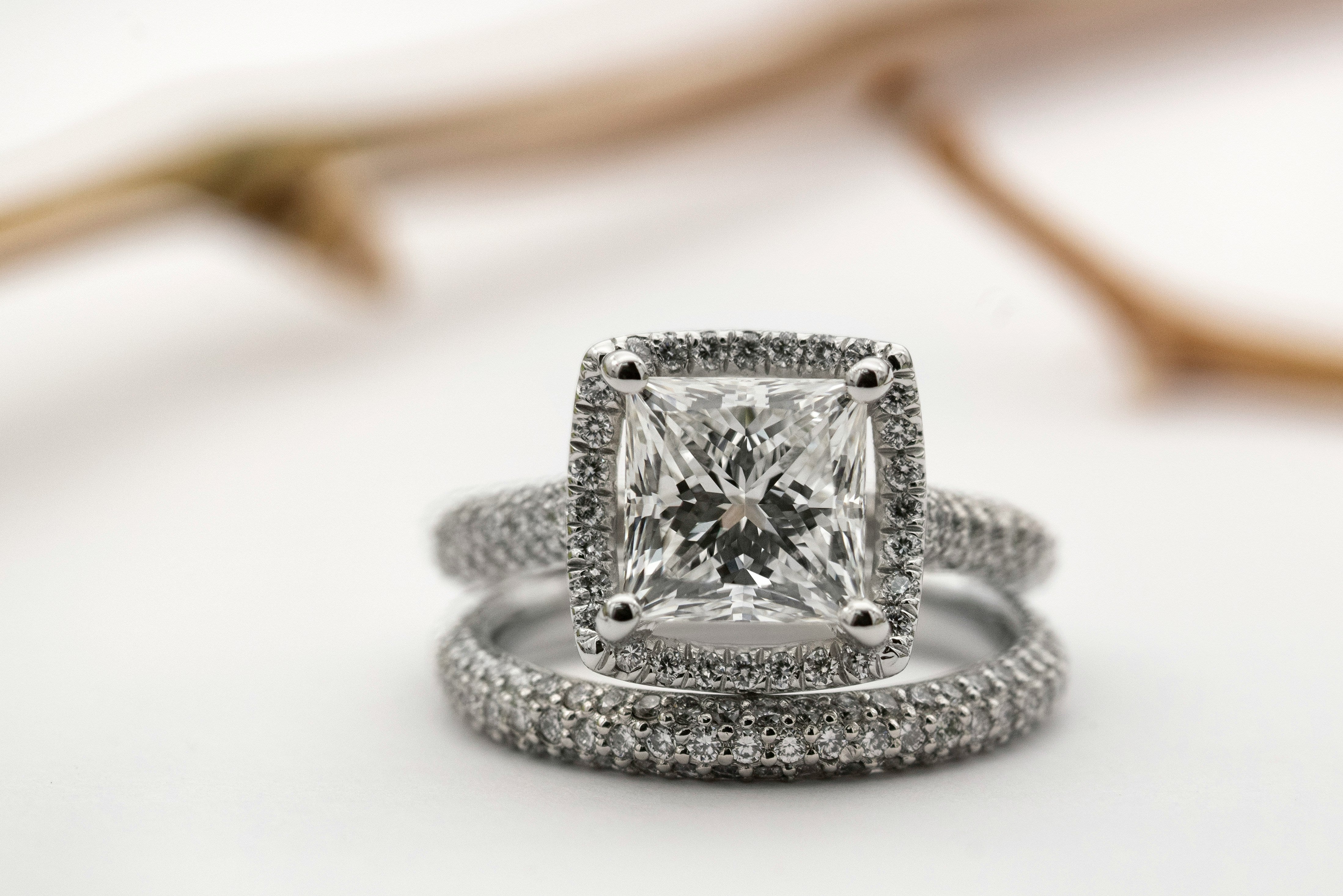
One of the most common questions we hear: what's the difference between a natural diamond and a lab-grown diamond? The short answer — chemically, physically, and optically, they are identical. Both are real diamonds. What differs is their origin — and that difference matters in different ways to different people.
Natural Diamonds
Natural diamonds formed between 1 and 3.3 billion years ago, deep within the earth's mantle under extreme heat and pressure. They were carried to the surface by volcanic eruptions and have been mined, cut, and treasured ever since.
Characteristics
- Origin: Earth-mined, billions of years old
- Composition: Pure crystallised carbon (same as lab-grown)
- Certification: GIA or IGI graded
- Rarity: Finite supply — each stone is one of a kind
- Value retention: Historically strong, especially for larger stones with excellent grades
- Price: Premium — reflects rarity and mining costs
Natural diamonds carry an emotional significance for many buyers — the knowledge that what they hold is billions of years old and utterly irreplaceable is part of what makes them special.
Lab-Grown Diamonds
Lab-grown diamonds are created in controlled environments using advanced technology that replicates the natural diamond-growing process. They are grown using either High Pressure High Temperature (HPHT) or Chemical Vapour Deposition (CVD) methods — both produce genuine diamond crystal.
Characteristics
- Origin: Laboratory-grown, typically 6–10 weeks
- Composition: Pure crystallised carbon (identical to natural)
- Certification: IGI graded (same rigorous standards)
- Rarity: Not scarce — producible on demand
- Environmental footprint: Lower than traditionally mined diamonds
- Price: Typically 50–70% less than equivalent natural diamonds
A gemologist with specialised equipment is required to distinguish a lab-grown diamond from a natural one. To the naked eye — and in everyday wear — they are indistinguishable.
Side-by-Side Comparison
| Feature | Natural Diamond | Lab-Grown Diamond |
|---|---|---|
| Chemical composition | Pure carbon (C) | Pure carbon (C) |
| Hardness (Mohs) | 10 | 10 |
| Brilliance & fire | Identical | Identical |
| Certification | GIA / IGI | IGI |
| Rarity | Rare, finite supply | Producible on demand |
| Price (relative) | Premium | 50–70% less |
| Environmental impact | Higher (mining) | Lower |
| Resale value | Strong (esp. large, high-grade) | Lower resale market |
Which Should I Choose?
There's no objectively right answer — it comes down to what matters most to you.
- Choose natural if you value rarity, geological age, and long-term resale potential — or if the romance of an earth-grown stone is important to you.
- Choose lab-grown if you want maximum size and quality for your budget, prefer a lower environmental footprint, and care less about resale value.
Both are real diamonds. Both come with independent certification. Both will last a lifetime.
Talk to a Diamond Specialist
Still deciding? Our specialists can walk you through specific stones in both categories at your budget — side by side, so you can see the difference for yourself.
Book a Free Consultation