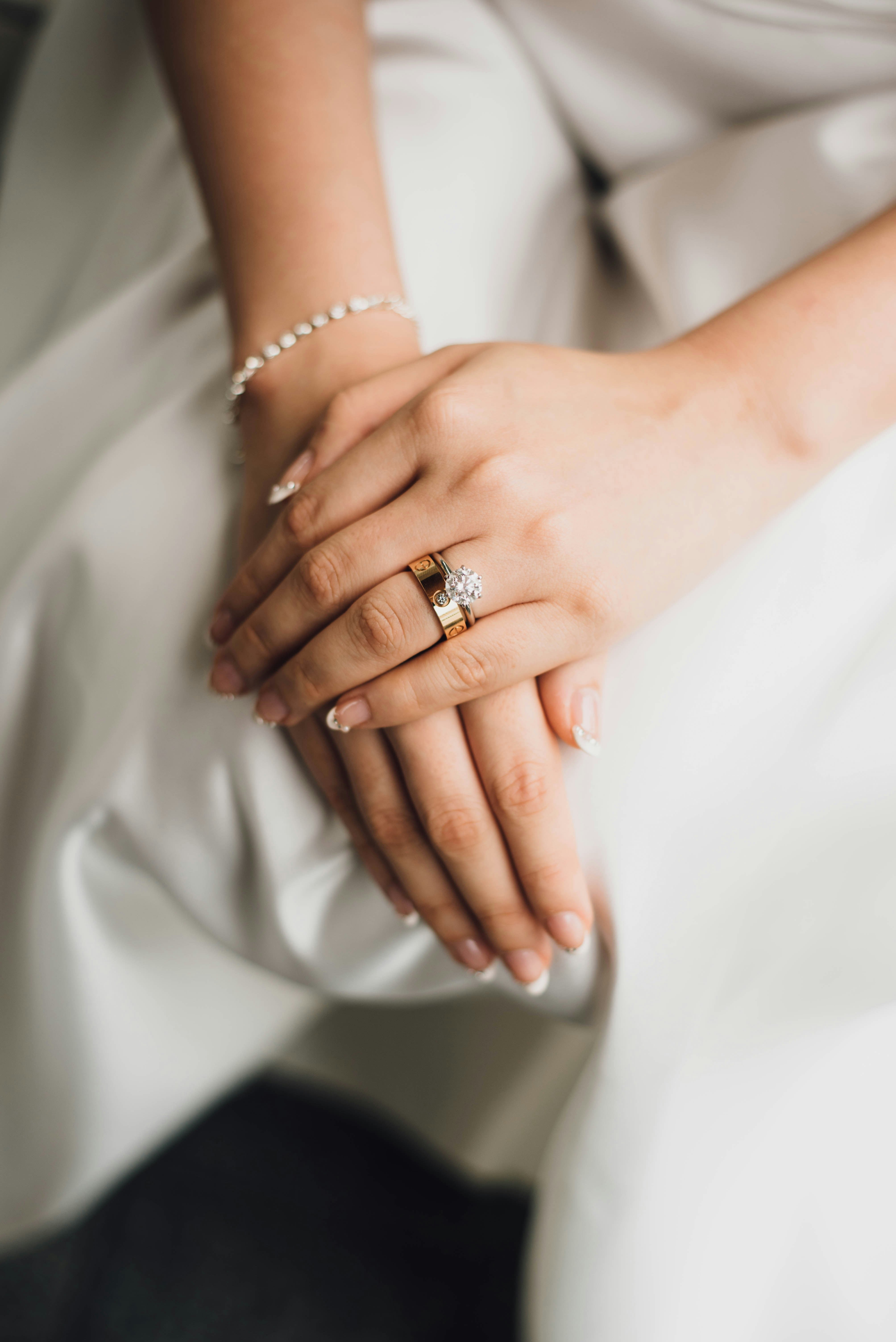
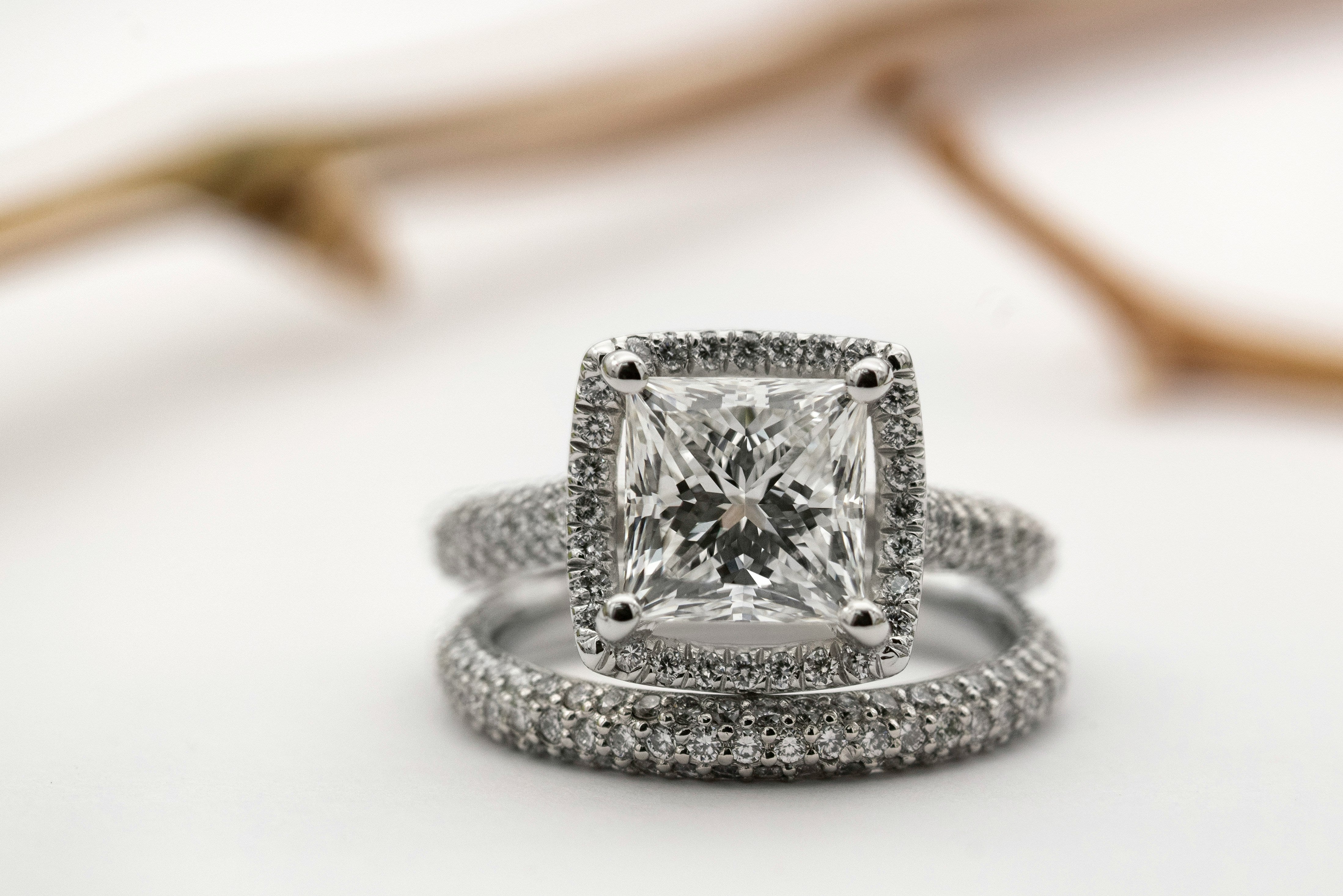
Every diamond is unique — and the 4Cs are the universal language used to describe that uniqueness. Developed by the Gemological Institute of America (GIA), the 4Cs — Cut, Color, Clarity, and Carat — give you the tools to understand exactly what you're buying and why two diamonds of similar size can differ dramatically in beauty and price.
At CaratStreet, every diamond we sell is graded by GIA or IGI, the world's most trusted independent laboratories. Here's what those grades actually mean.
Cut

Cut is the most important of the 4Cs — it determines how brilliantly a diamond reflects light. A well-cut diamond will appear larger, brighter, and more beautiful than a poorly cut stone of greater carat weight.
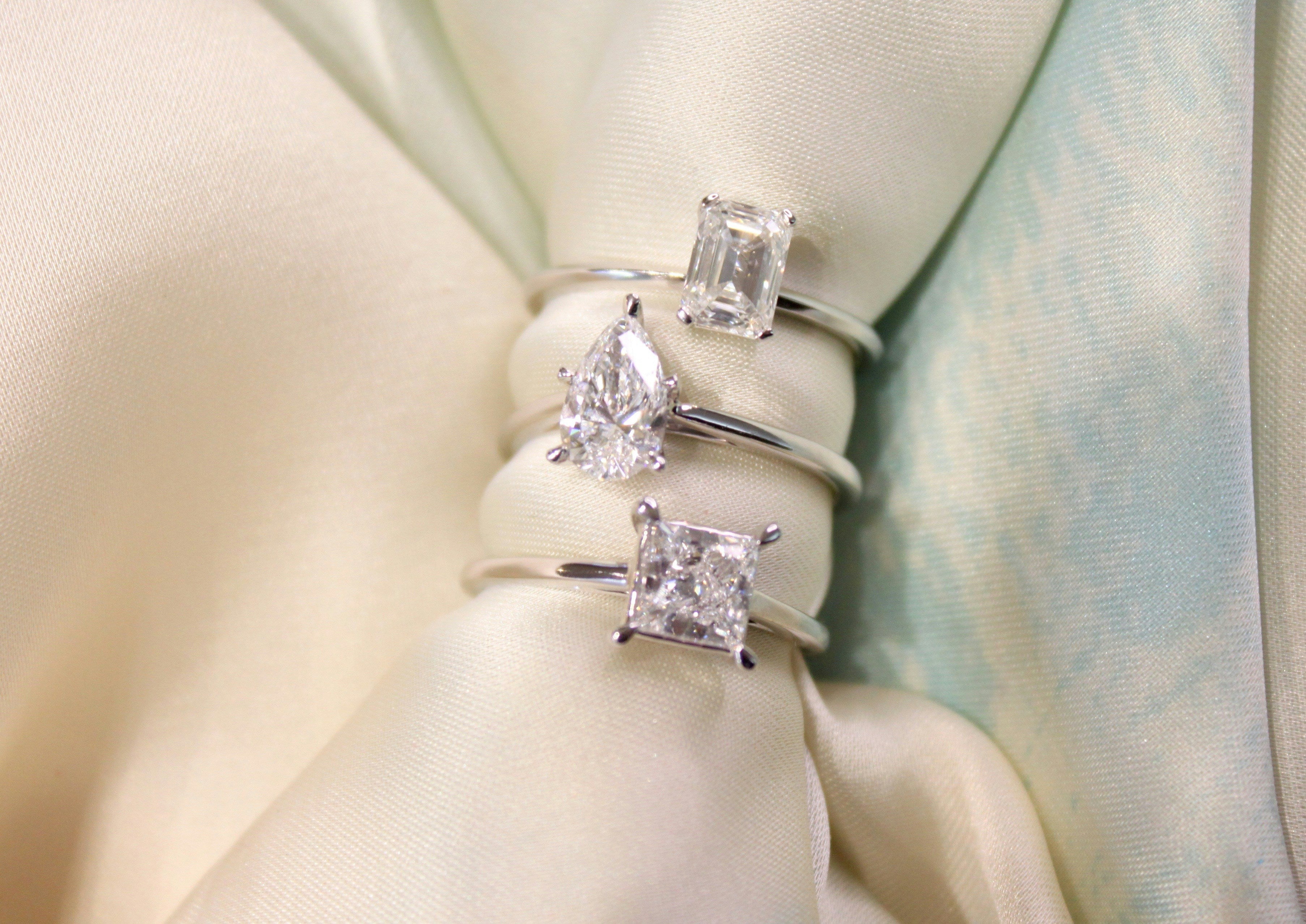
Cut is not about shape (round, oval, cushion, etc.) — it refers to the precision of the facets, angles, and proportions that allow light to enter and reflect back to the eye.
GIA Cut Scale
| Grade | Description |
|---|---|
| Excellent | Maximum brilliance and fire. Reflects nearly all light that enters. |
| Very Good | Superior light performance. Slight deviations from Excellent with minimal impact. |
| Good | Reflects most light. A practical choice prioritising size over brilliance. |
| Fair | Allows light to escape through sides or bottom. Noticeably less brilliant. |
| Poor | Most light escapes. Dull appearance regardless of other grades. |
CaratStreet recommendation: Excellent or Very Good cut only. Cut is the one place we never compromise.
Color

Diamond color is graded on a scale from D (completely colourless) to Z (visibly yellow or brown). The less colour a diamond has, the rarer and more valuable it is — but differences between adjacent grades are often invisible to the naked eye.
GIA Color Scale
D
Colourless
E
Colourless
F
Colourless
G
Near Colourless
H
Near Colourless
I
Near Colourless
J
Near Colourless
K
Faint
L–Z
Faint–Light
CaratStreet recommendation: D–F for platinum or white gold settings. G–H offers excellent value — the colour is imperceptible once set.
Clarity

Clarity measures the presence of internal characteristics (inclusions) and surface blemishes. Nearly all diamonds contain some natural imperfections — the clarity grade tells you how visible they are under 10× magnification.
GIA Clarity Scale
| Grade | Meaning | Visible to naked eye? |
|---|---|---|
| FL / IF | Flawless / Internally Flawless | No |
| VVS1 / VVS2 | Very Very Slightly Included | No |
| VS1 / VS2 | Very Slightly Included | Rarely |
| SI1 / SI2 | Slightly Included | Sometimes (SI2) |
| I1 / I2 / I3 | Included | Yes |
CaratStreet recommendation: VS1–VS2 for the best balance of quality and value. SI1 can be eye-clean and offers excellent savings — ask our specialists to review the certificate.
Carat

Carat is the unit of weight used to measure diamonds. One carat equals 0.2 grams. Larger diamonds are rarer and therefore more valuable — but carat weight alone does not determine a diamond's beauty or brilliance.
Two diamonds of equal carat weight can look very different in size depending on their cut and shape. A well-cut 1ct round brilliant may appear larger than a poorly cut 1.2ct stone.
Approximate face-up diameter (round brilliant)
| Carat Weight | Approx. Diameter | Visual Reference |
|---|---|---|
| 0.25 ct | 4.1 mm | Pencil eraser tip |
| 0.50 ct | 5.2 mm | Match head |
| 1.00 ct | 6.5 mm | Most popular size |
| 1.50 ct | 7.4 mm | Statement stone |
| 2.00 ct | 8.2 mm | Bold luxury |
CaratStreet tip: Consider going slightly below a round number (0.90ct instead of 1.00ct) — the visual difference is negligible, but the price difference can be significant.
Still have questions?
Our diamond specialists are here to help you find the perfect stone for your budget and style. Book a free consultation and we'll guide you through every step.
Book a Consultation