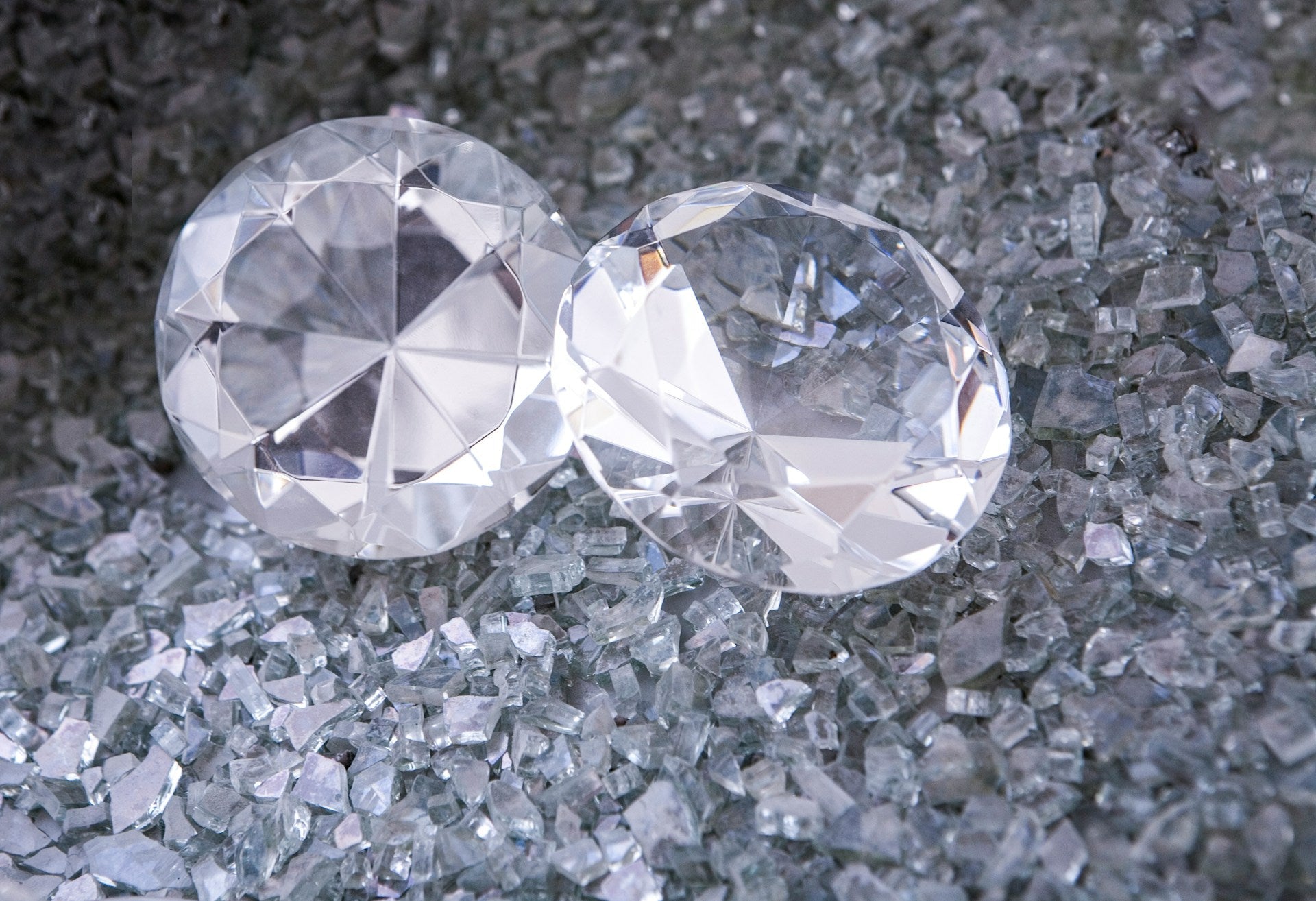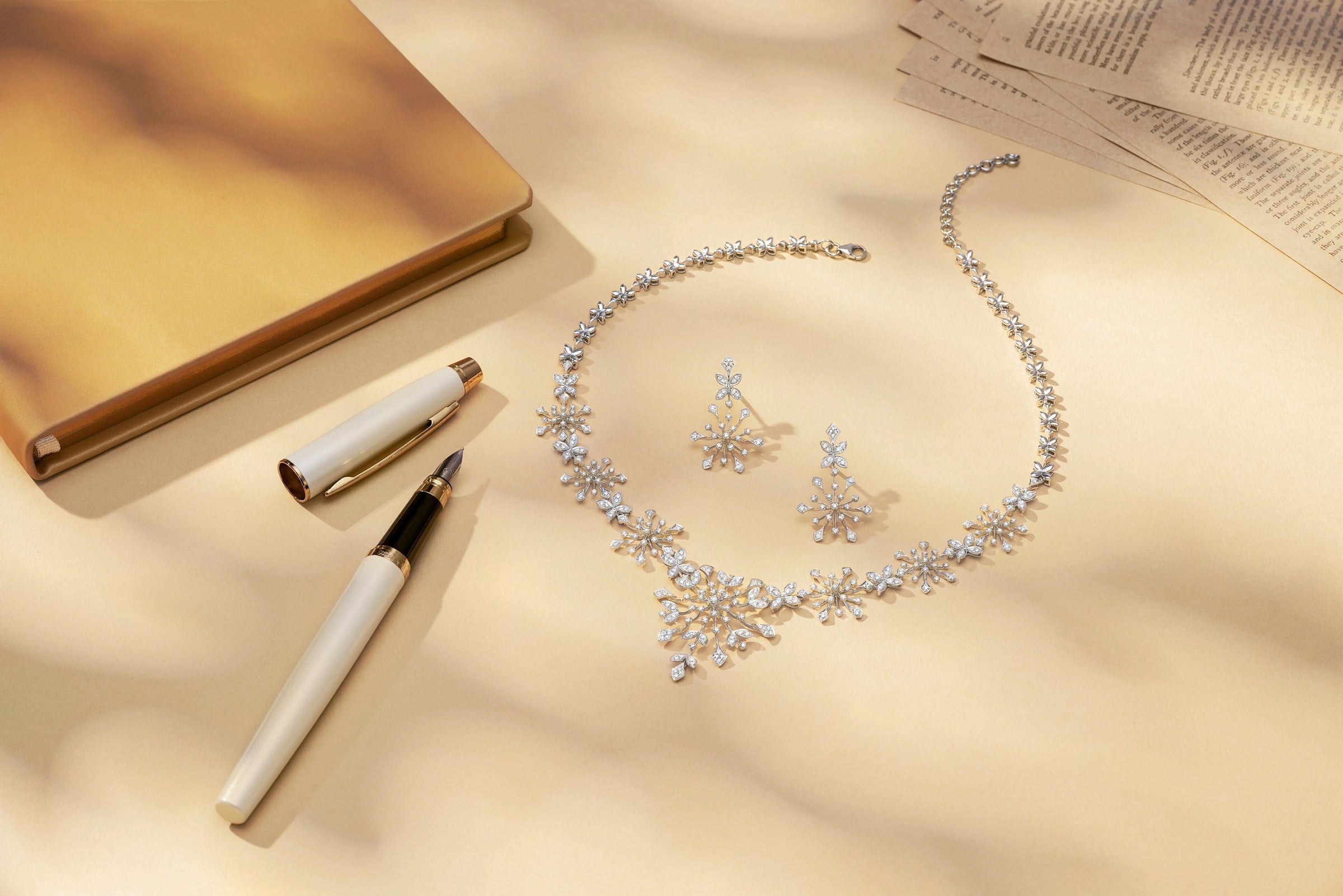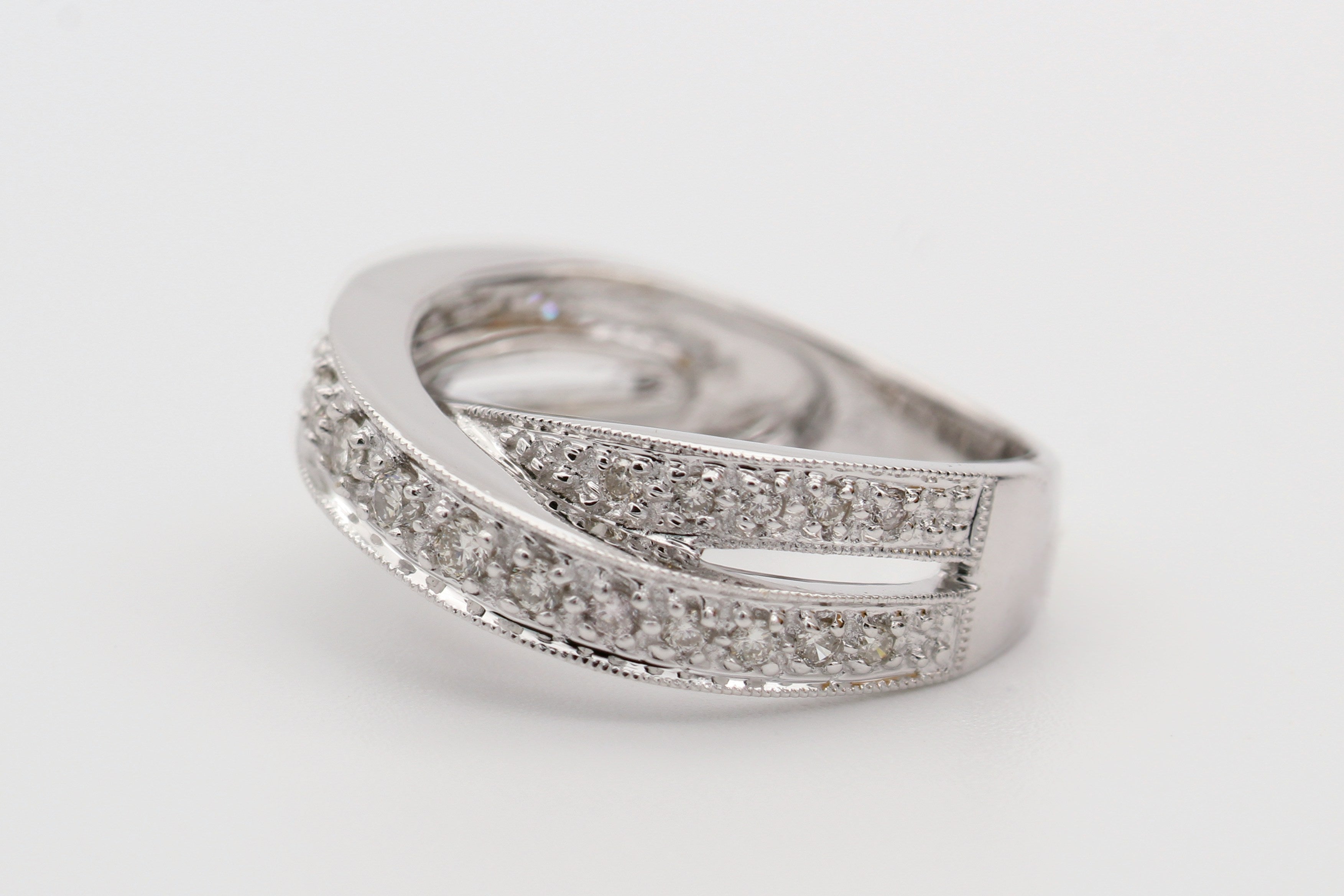
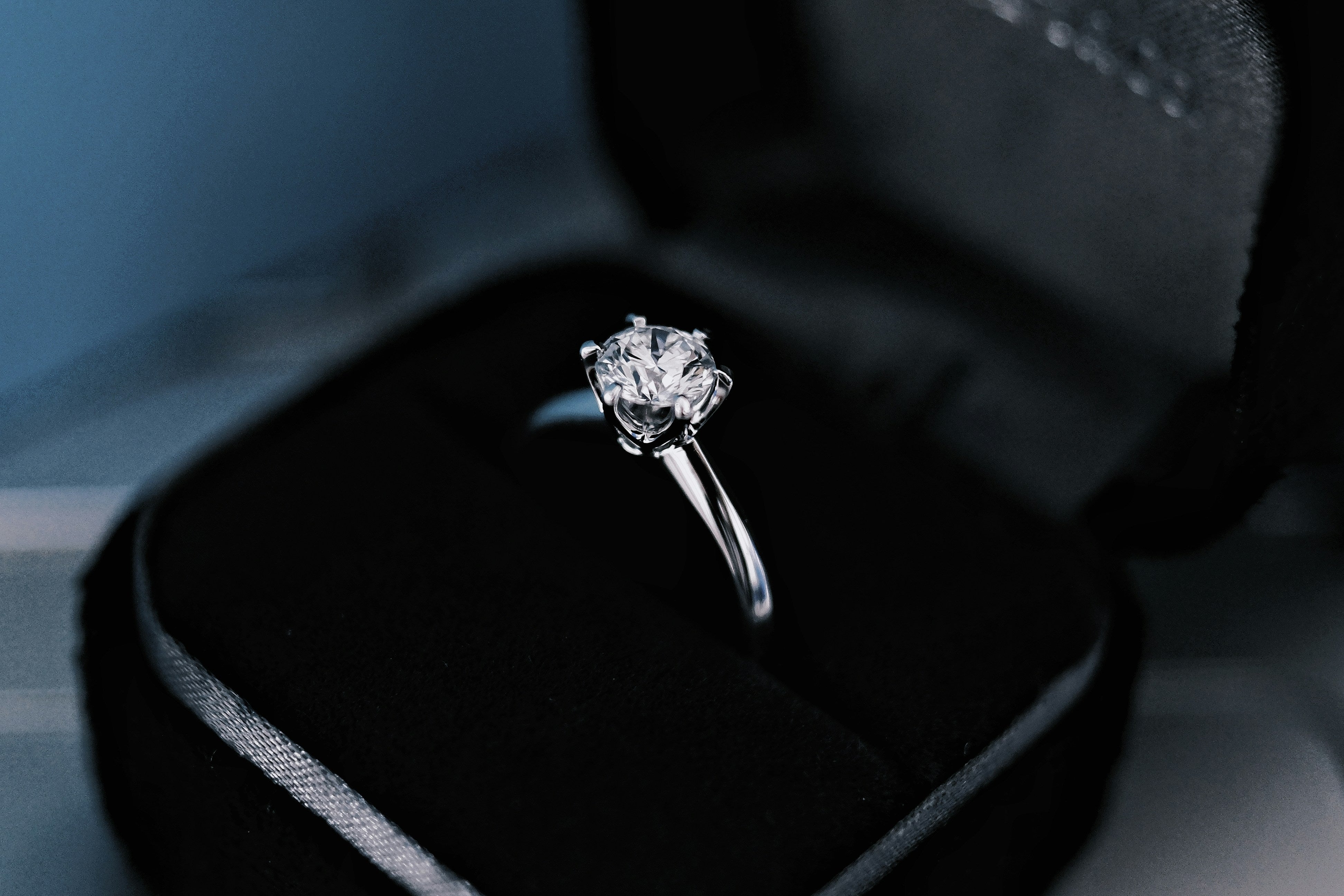
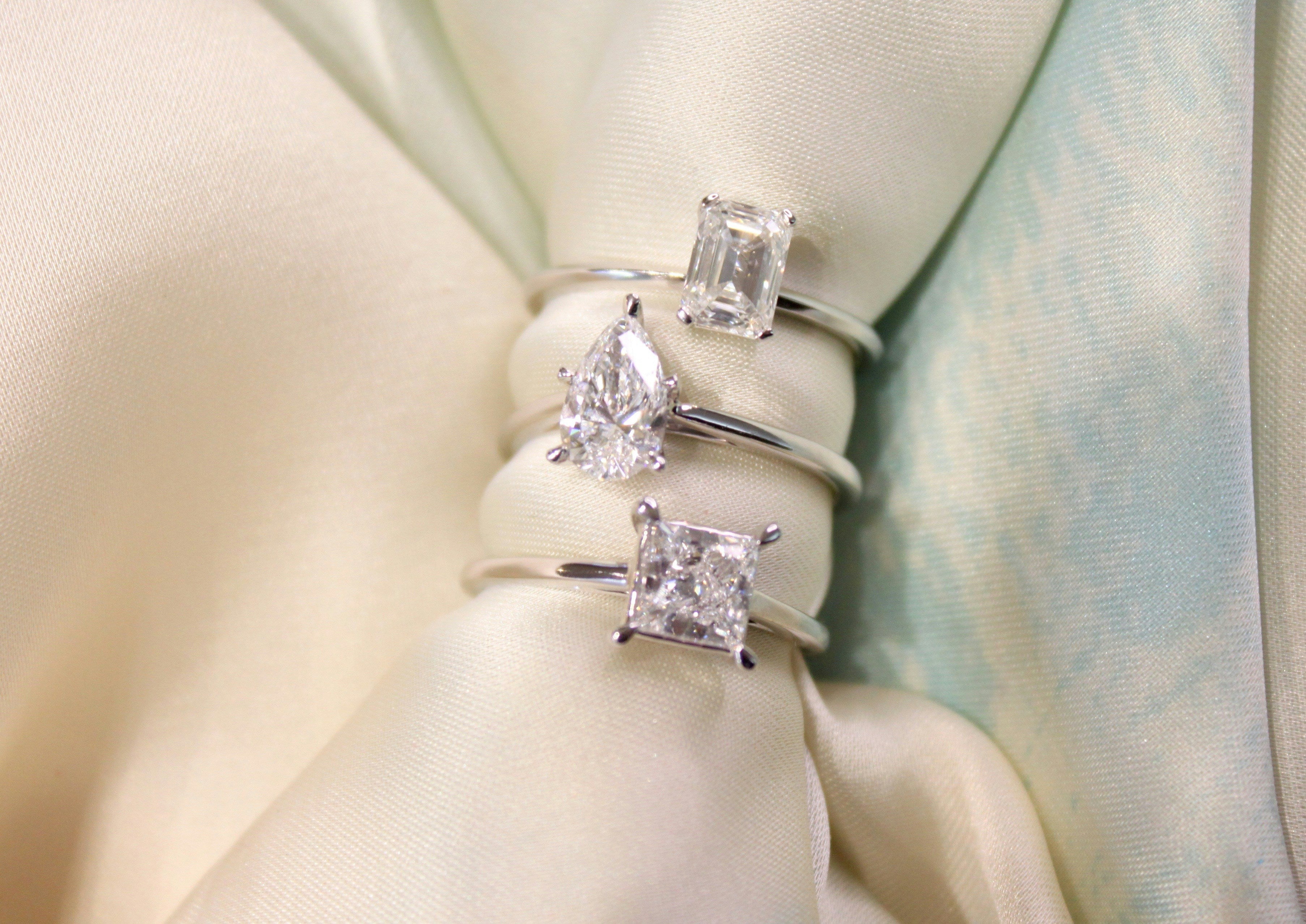
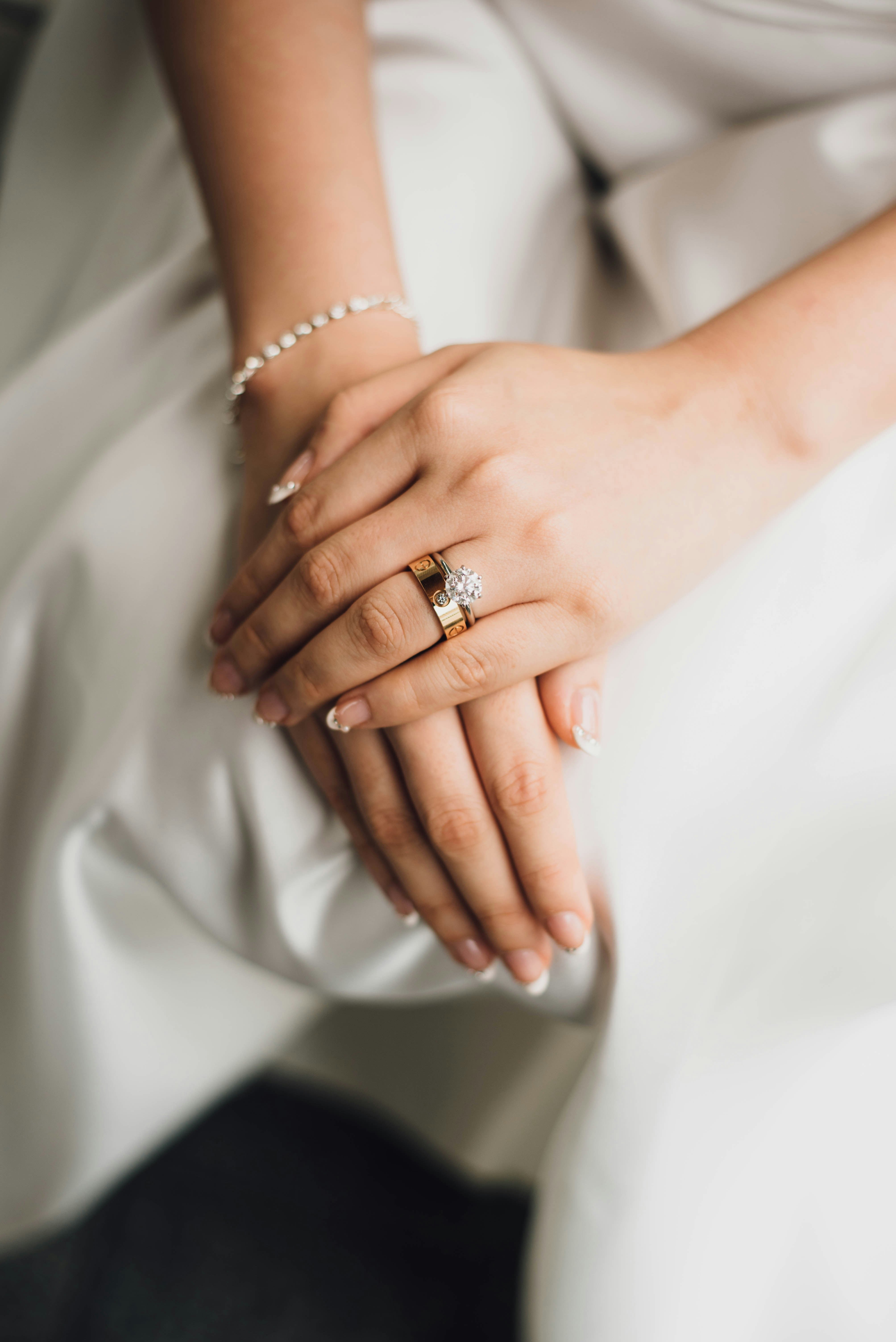
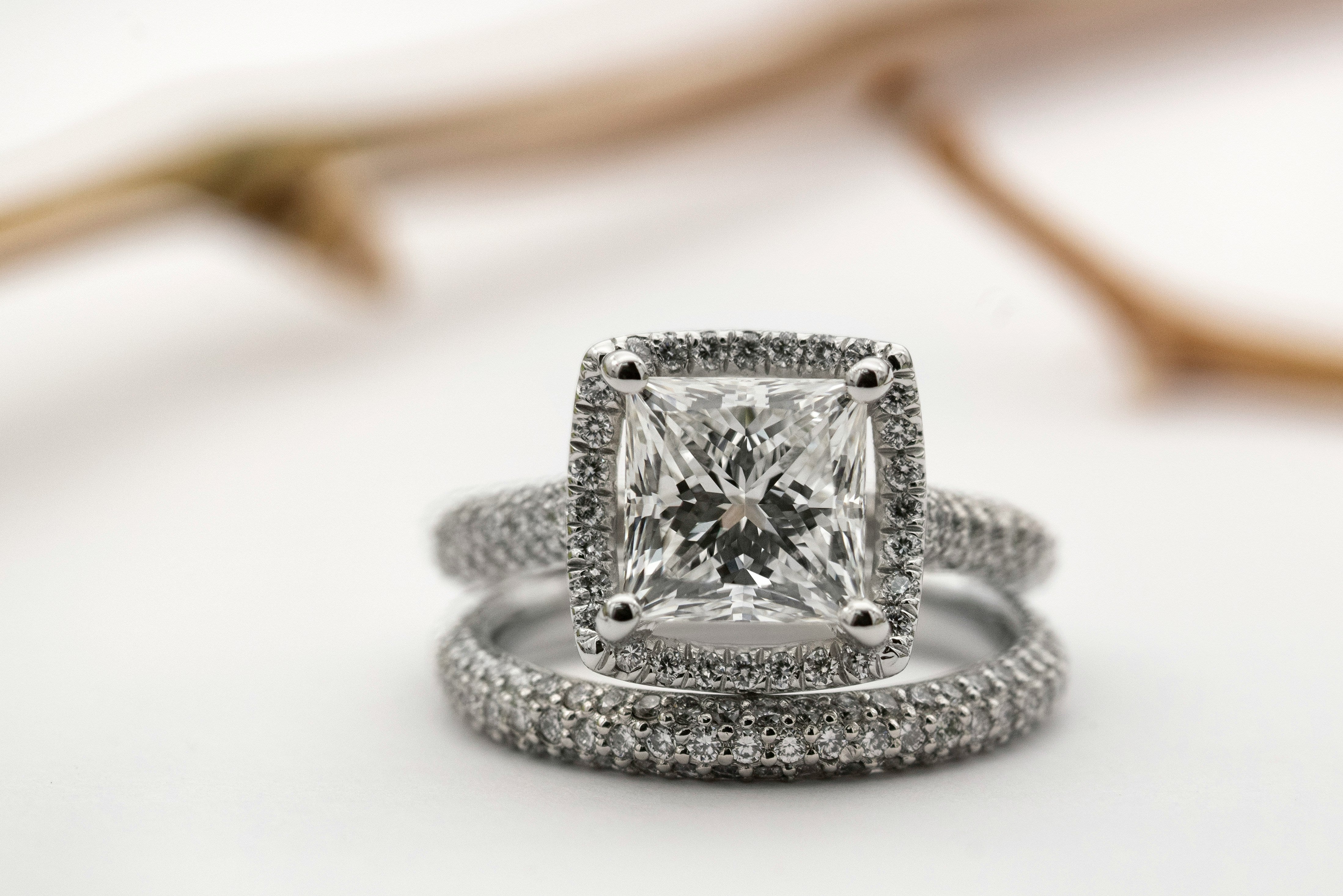

Every diamond is graded on four characteristics known as the 4Cs: Cut, Color, Clarity, and Carat. Understanding them is the single best way to buy a beautiful diamond without overpaying. Here's what each one means — and where your money matters most.
Cut — the most important C
Cut refers to how well a diamond's facets interact with light, not its shape. A well-cut diamond returns light through the top as brilliance and sparkle; a poorly cut one looks dull, even if it scores well on the other Cs. Because cut has the biggest impact on how a diamond actually looks, we recommend never compromising here.
Look for a cut grade of Excellent or Ideal on round diamonds. For fancy shapes (oval, emerald, pear), focus on even, symmetrical facets and avoid stones with dark or dull centers.
Color — less is more
Diamond color is graded from D (completely colorless) down to Z (light yellow or brown). The differences between neighboring grades are subtle and often invisible to the naked eye.
- D–F: Colorless — the rarest and most expensive.
- G–J: Near-colorless — excellent value; looks white face-up, especially in white gold or platinum.
- K and below: Warmer tones that pair beautifully with yellow or rose gold.
For most buyers, a G–H diamond offers a white appearance at a fraction of a D's price.
Clarity — what's inside
Clarity measures the tiny natural inclusions and surface blemishes formed when the diamond crystallized. Grades run from Flawless (FL) to Included (I1–I3).
- FL–VVS: Inclusions invisible even under magnification — premium priced.
- VS1–VS2: Inclusions hard to see under 10x magnification — superb value.
- SI1–SI2: Often "eye-clean" (no inclusions visible without magnification) — great for stretching a budget.
The goal is an eye-clean diamond — one with no inclusions visible to the unaided eye. You rarely need to pay for a grade higher than that.
Carat — size and weight
Carat is the diamond's weight, not its size. Two diamonds of equal carat can look different sizes depending on their cut. Prices jump at "magic" weights like 1.00ct and 2.00ct, so choosing a stone just below — say 0.90ct or 1.90ct — can save significantly with almost no visible difference.
Where to spend, where to save
Our simple rule for the best value:
- Prioritize Cut — it drives sparkle.
- Choose G–H color — white without the premium.
- Choose an eye-clean VS–SI clarity — flawless on a budget.
- Flex Carat last — pick a weight just under a round number.
Always buy certified
Every CaratStreet diamond is independently graded by GIA or IGI, the world's most trusted laboratories. The certificate confirms the 4Cs so you know exactly what you're buying.